
What Makes Mountain Climbing So Brutal on Your Feet?
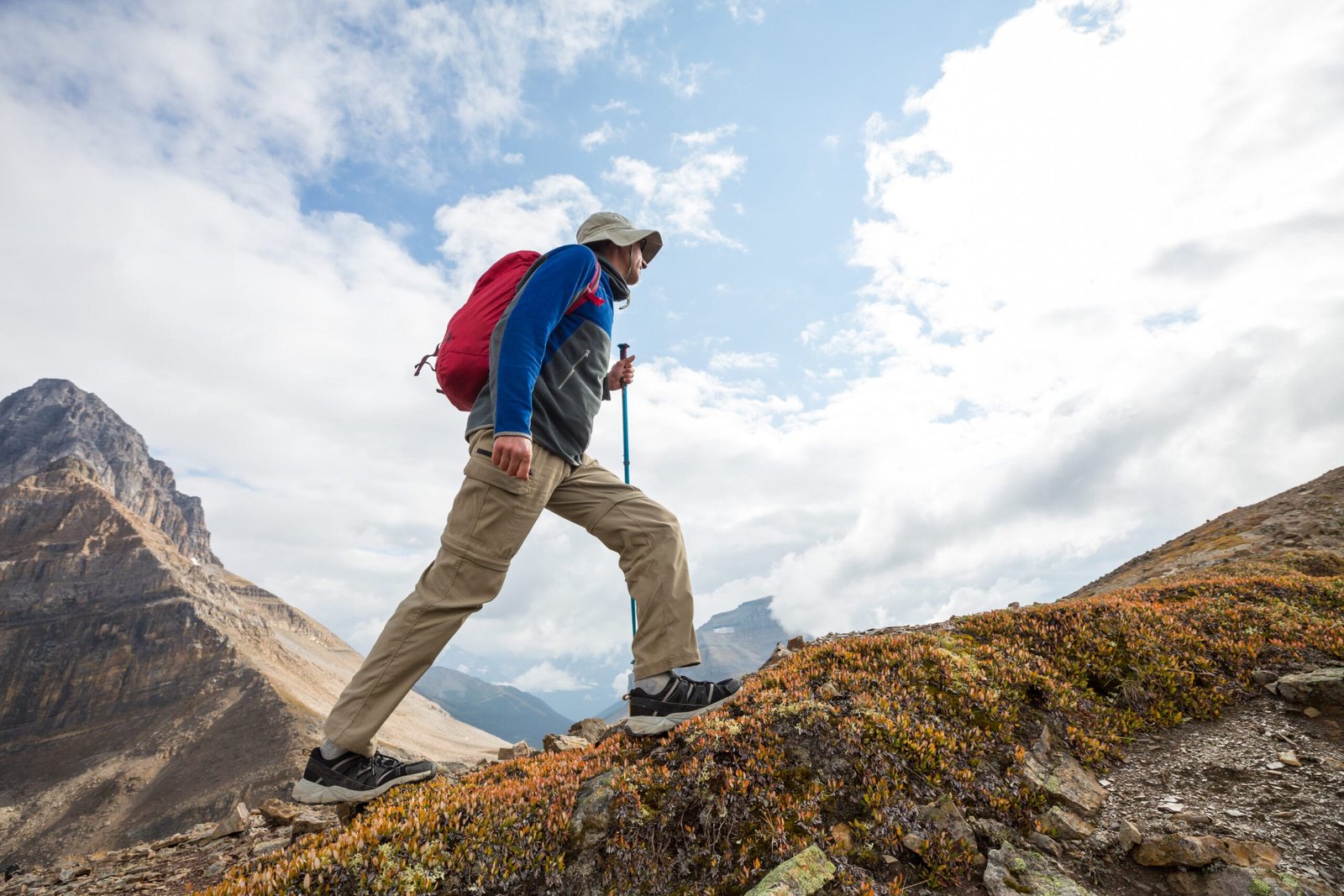
Let’s paint the picture: rocky terrain, steep inclines, uneven paths, wet patches, and about 12,000 steps uphill. Unlike flat walking, climbing puts your feet in overdrive mode—constantly gripping, stabilizing, and adjusting to every surface. That’s a full-time job for your arches and toes.
Your body might think mountain climbing is cardio, but your feet know it’s labor. The repeated impact and strain can lead to arch fatigue, bruised toenails, and even blisters that look like they’re trying to grow a second toe.
Interestingly, research shows it’s not just about terrain—it’s also about what’s on your feet. A study comparing hiking shoes and hiking boots found that ankle range of motion decreased in boots, which may offer more stability but could also affect how you walk. While the study focused on shoe structure, it also hinted at long-term wear and tear due to changes in joint motion—especially on inclined paths.
Boots and Shoes Alone Aren’t Built to Save Your Soles
Sure, your hiking boots or shoes might look the part—but do they feel the part after hour four? Let’s be real:
| Feature | Hiking Boots | Boots + Custom Insoles |
|---|---|---|
| Shock Absorption | Moderate | High |
| Arch Support | Generic | Tailored to Your Feet |
| Long-Term Comfort | Decreases over time | Stays consistent |
| Sweat Management | Varies | Improved with moisture-wicking insoles |
Climbers often assume their boots are enough, but the truth is, without custom insoles for mountain climbing, you’re just dressing your feet up for failure in expensive leather.
Real Climbers, Real Struggles: A Day in the Life of Your Feet
Imagine this:
- Hour 1: Your boots feel great.
- Hour 3: Slight burning under the ball of your foot.
- Hour 5: You’re fantasizing about walking barefoot in a cold stream.
- Hour 8: Every step feels like stepping on Legos.
These aren’t rare scenarios—they’re practically a climber’s rite of passage. But many of these issues could be minimized with the right foundation—like custom insoles for mountain climbing that mold to your arch and absorb every ounce of shock.
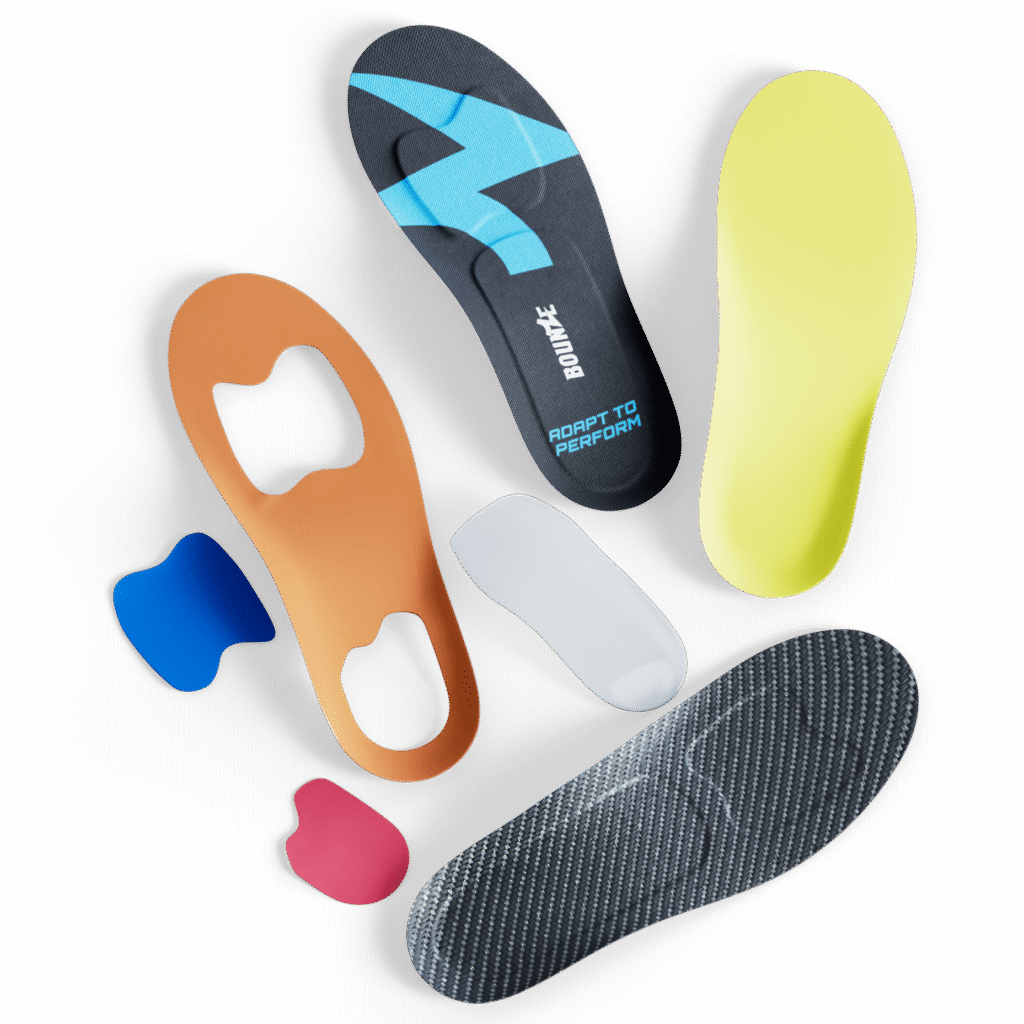
Meet Your New Climbing Partner: BOUNZE Pro Performance Insole
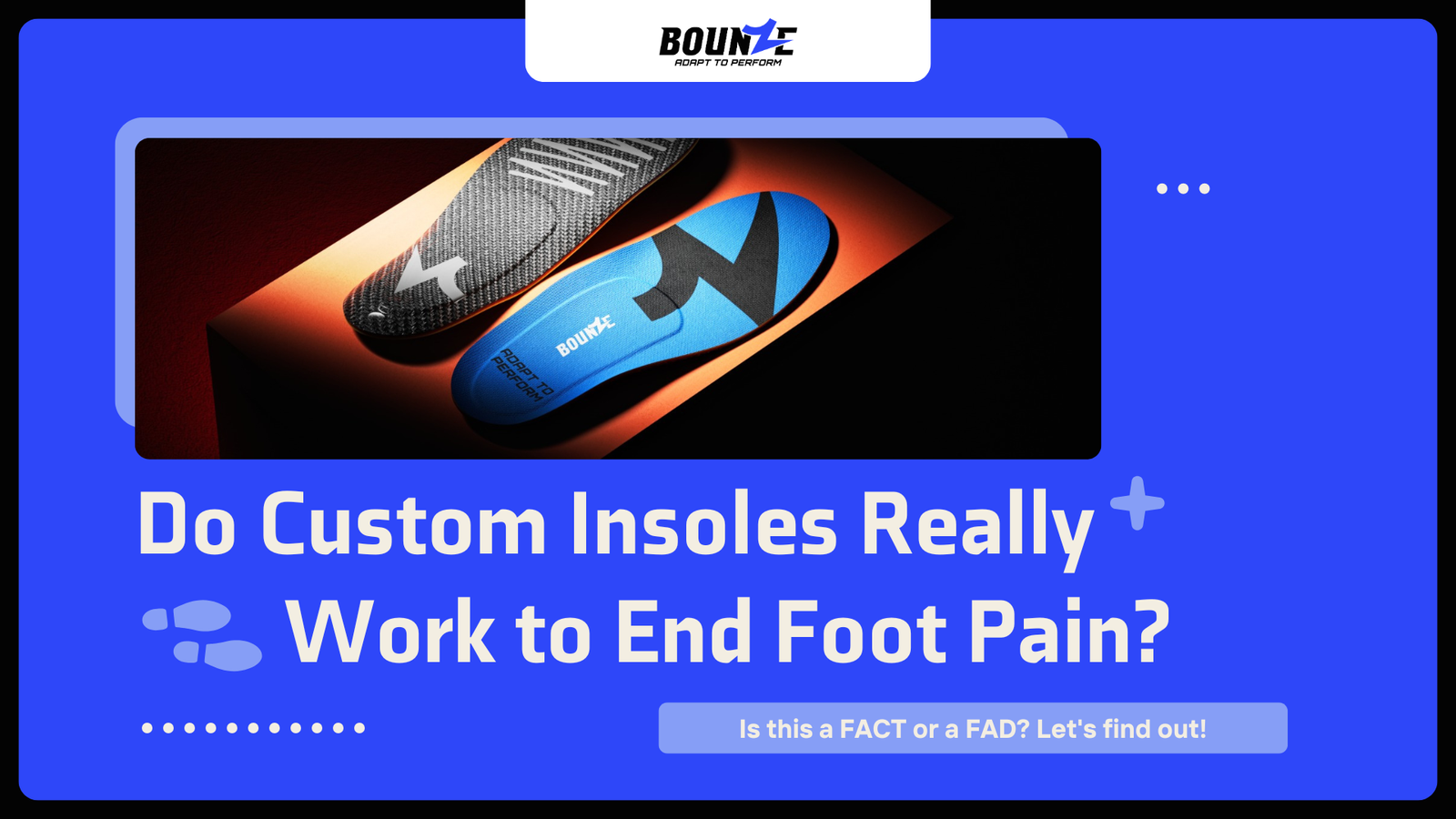
Let’s talk about your new trail MVP: the BOUNZE Pro Performance Insole.
Why it works better than your current setup:
- 3-Minute Custom Fit: Heat-mold at home for a snug, personalized feel.
- Dual-Layer Orxinlite Foam: Pressure relief and energy return for uphill battles.
- Shock Pads in Heel & Forefoot: Red zones get extra cushion and bounce.
- Moisture-Wicking Cloth Layer: Because mountain sweat is real.
- PETG Shell Support: Keeps your arch from collapsing on tough terrain.
Bottom line? It’s a custom insole for mountain climbing that adapts to the conditions as fast as you do. You mold it once—and climb with confidence, again and again.
How to Know It’s Time to Upgrade Your Insoles
Checklist time. If you nod at 3 or more, you’re overdue for an upgrade:
✅ You feel pain in your arches after every climb
✅ You keep getting blisters in the same spots
✅ Your current insoles are flat, sweaty, or smell like defeat
✅ You dread descents more than ascents
✅ Your foot pain lingers the day after a hike
Sound like you? Then it’s time to try custom insoles for mountain climbing—preferably the kind that was made to survive real climbs, like BOUNZE Pro.
Give Your Feet a Break – They’ve Climbed Enough
Let’s wrap it up: your feet are the hardest-working climbers on your team. The rest of your body might get the glory shot at the summit, but your soles carried you there (and back).
So, stop punishing them with off-the-shelf suffering. Whether you’re a casual hiker or a hardcore peak chaser, investing in custom insoles for mountain climbing—especially something like the BOUNZE Pro Performance Insole—isn’t just smart, it’s necessary.
Because climbing mountains shouldn’t feel like you are the mountain.