
Heel Striking Isn’t Wrong—But It Can Be Rough
Not all runners are toe tappers. In fact, studies show a large number of recreational runners are heel strikers—it’s a common, natural way to run, especially if you’re not sprinting or chasing Olympic gold. But here’s the kicker (pun intended): landing on your heel sends a jolt of force up your leg with every step. Multiply that by a few kilometers, and you’ve got a solid recipe for soreness, tightness, or even long-term joint issues.
Science backs this up, too. A systematic review titled “Effects of Foot Strike Techniques on Running Biomechanics” compared forefoot strikers (FFS) and rearfoot strikers (RFS)—that’s heel strikers. The results showed that heel striking (RFS) leads to higher overall impact forces, greater stress on the knees, and increased patellofemoral joint pressure compared to forefoot running. In simple terms? Your knees and heels take a beating every time you land heel-first.
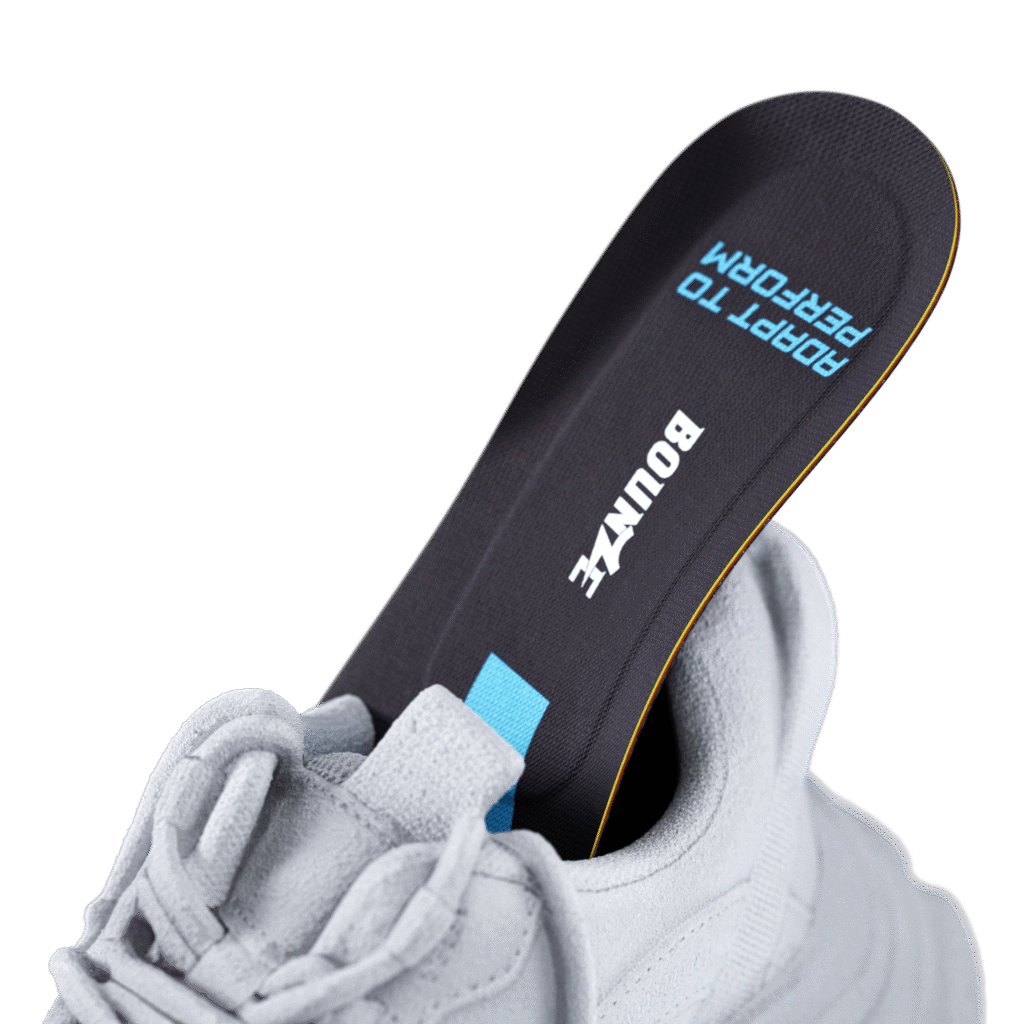
Even if you’ve invested in fancy running shoes, they’re often not designed to truly absorb that level of repetitive impact. This is where bounze insoles for running come in. They’re built to reduce shock, stabilize your foot, and minimize that harsh loading rate that science says is stressing your joints out. They’re not just an upgrade—they’re the support system your heels have been silently screaming for.
The Problem with Relying on Factory Insoles
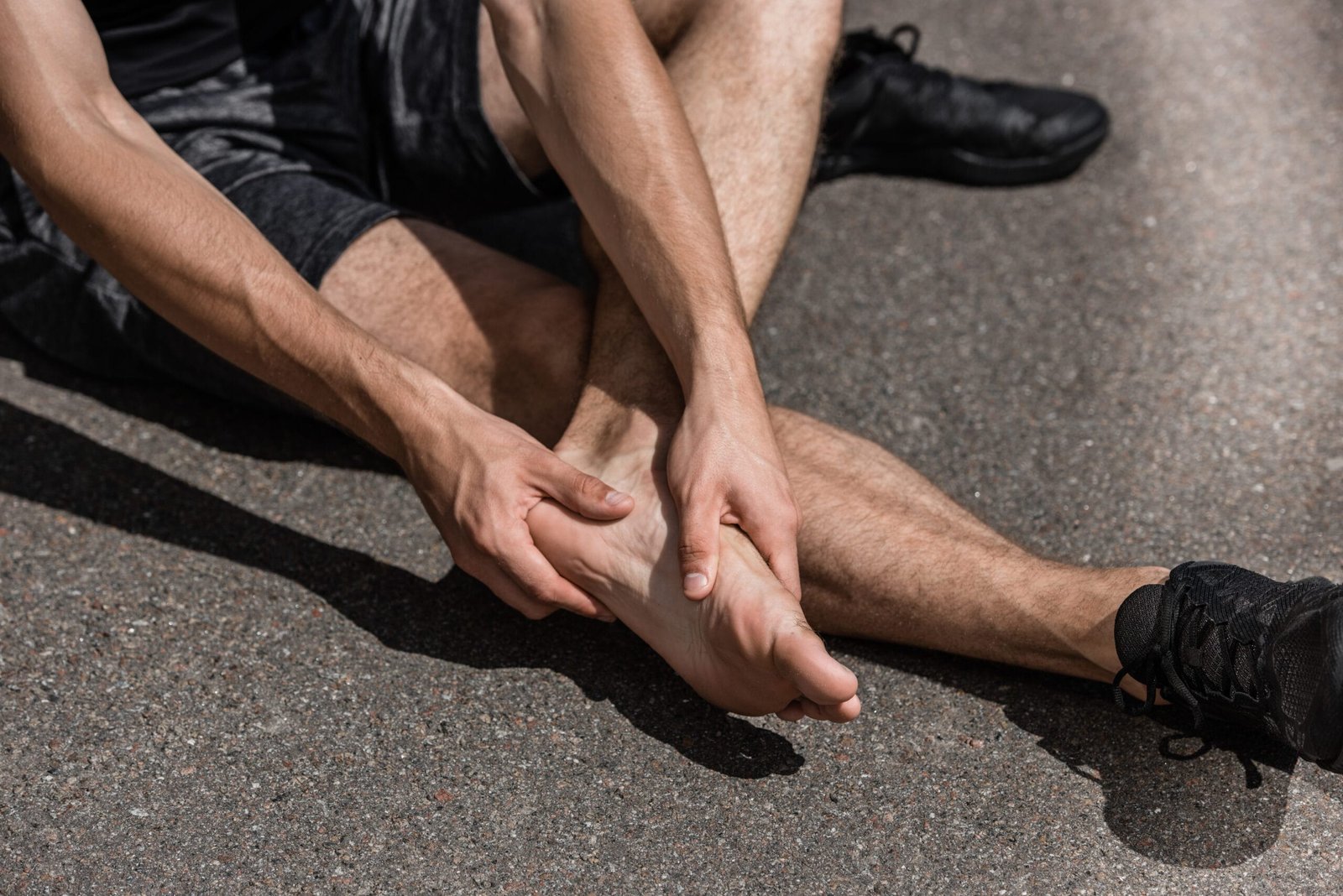
You know that thin, floppy piece of foam inside your new running shoes? That’s the factory insole—and it’s basically just there to take up space. It’s not engineered to protect your joints or support your stride.
Here’s what most standard insoles lack:
✅ Proper arch support
✅ Shock absorption zones (especially in the heel)
✅ Moisture-wicking material
✅ Any kind of customization
So even if your shoes look premium, they’re not doing much to help if you land heel-first. That’s why runners often swap them out for something built with real support—like bounze insoles for running, which actually adapt to your feet and movements.
Signs Your Heel Strike Is Holding You Back
Think you’re doing fine without extra support? Let’s run a quick check on common heel striker struggles:
- Heel soreness after a run
- Tight calves or Achilles
- Sudden knee pain (especially downhill)
- Shoes wearing out unevenly (heel-first)
- Feeling “clunky” or slow to transition
If you’ve said “yes” to more than two of these, it’s a good sign your body’s compensating for every impact. And if that compensation turns into injury, your running progress will slow down fast.
Switching to bounze insoles for running can give you a smoother transition and lessen that hard-landing effect that’s been quietly stealing your stride.
What Makes BOUNZE Pro a Heel Striker’s Dream
Let’s talk upgrades. The BOUNZE Pro Performance Insole was made with high-impact athletes in mind—but heel strikers, especially runners, will feel the difference from step one. Here’s why it works:
| Feature | Benefit for Heel Strikers |
|---|---|
| 3-Minute Custom Fit | Personalized support that molds to your foot shape |
| Rigid PETG Arch Shell | Keeps your foot aligned and stable on impact |
| Red PU Heel Pad | Maximum shock absorption exactly where you land |
| Dual-Layer Orxinlite Foam | Soft feel + responsive rebound on toe-off |
| Sweat-Absorbent Top Layer | Keeps feet dry and reduces slippage |
If you’ve tried regular gel insoles or cheap foam pads, this isn’t the same game. With bounze insoles for running, especially the BOUNZE Pro, you get cushioning, rebound, and control all in one. Plus, molding them at home in just a few minutes? Chef’s kiss.
Everyday Tips for Heel Strikers Who Want to Run Longer
Improving your form helps, but gear still plays a major role. Here are a few ways to make running more enjoyable (and less painful) if you’re a heel striker:
- Shorten your stride – long strides increase heel impact
- Increase cadence – aim for more steps per minute
- Warm up and cool down – don’t skip mobility!
- Rotate running shoes – even with bounze insoles for running, your shoes matter
- Run on softer surfaces – tracks, grass, or treadmills are gentler
These tips, paired with real support like the BOUNZE Pro Performance Insole, can keep you moving better and recovering faster.
Don’t Let Your Heels Decide When You Stop
At some point, every runner has to choose between dealing with the same old discomfort—or finally fixing it. Whether you’re running to chase a personal best, clear your head, or outrun your responsibilities (no judgment), your feet are doing the work.
So don’t stop because your heels hurt. Stop when you’re satisfied. With bounze insoles for running, heel strikers get the kind of tailored support that turns every run from painful to powerful. Trust your stride again. Your feet will thank you later.