
Understanding the Wet Foot Paper Test
The wet foot paper test is simple yet effective. By dampening your foot and stepping onto a paper surface, you can clearly see the imprint of your arch type—high, medium, or flat. Podiatrists frequently used this method before advanced technology became common, as it offered quick, accurate insights without complicated equipment. Its reliability has stood the test of time, making it a favorite among professionals who understand that simplicity doesn’t mean less accuracy.
How Credible Is This Method?
Some skeptics argue that the wet foot paper test seems too basic. However, experts emphasize its credibility due to:
- Ease of use at home or clinic
- Quick and clear visual results
- Consistent reliability validated by podiatrists
Although it appears straightforward, this method accurately categorizes foot types, helping people select proper footwear and orthotics like BOUNZE insoles, tailored specifically to their arch needs.
Comparing It to Modern Techniques
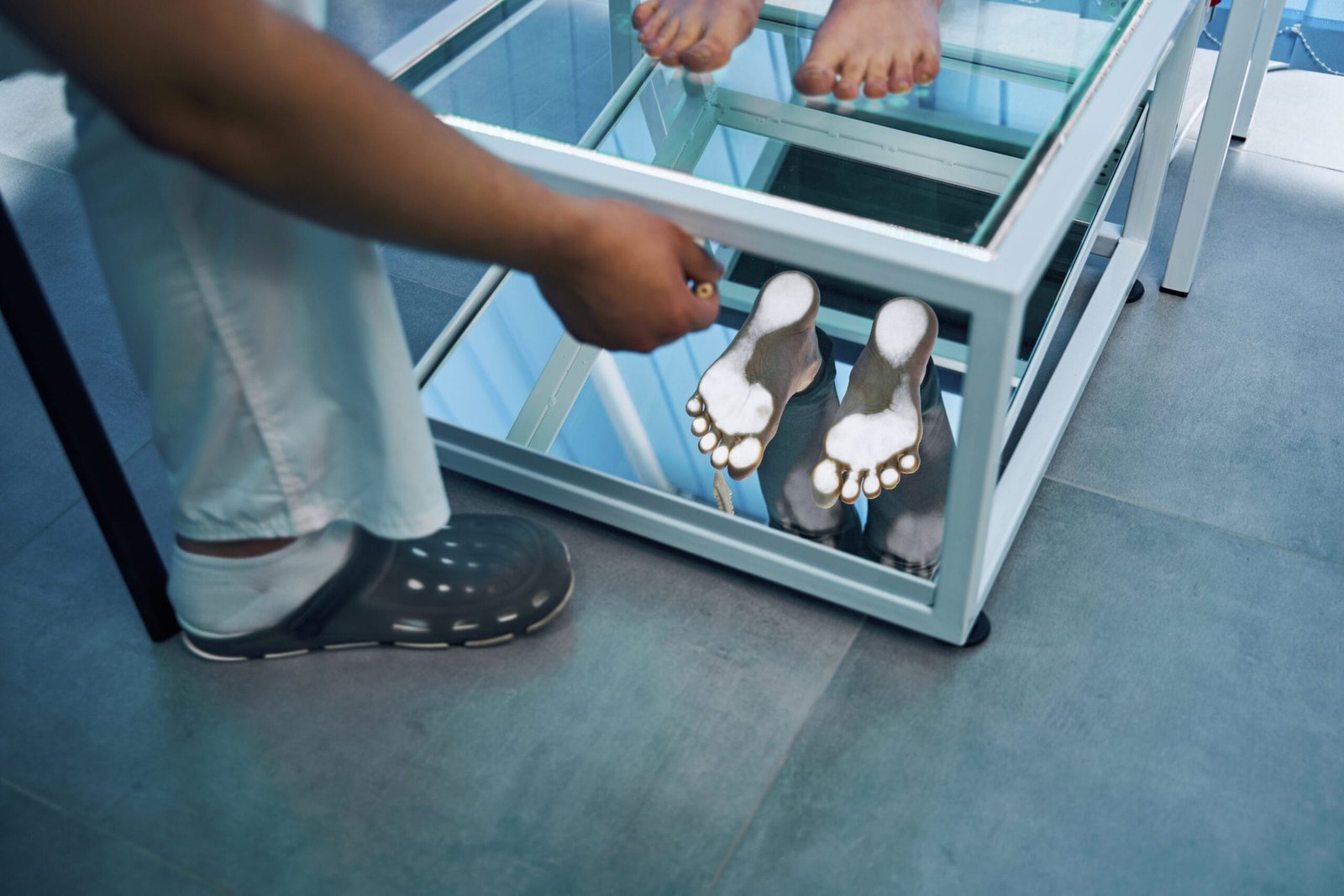
The wet foot paper test may look basic, but it still provides reliable results for identifying arch types. In fact, a study comparing different foot measurement methods found that while 3D foot scanners captured more detailed data, they did not meet all accuracy standards either. The research showed that 3D scanners often measured larger foot dimensions due to detecting outermost points more easily. However, footprint methods like the wet foot paper test were still considered precise enough, especially for basic shape and arch analysis.
While 3D scans offer more detail, they are costly, less portable, and require technical setup. The wet foot paper test remains a trusted, affordable method, which is why BOUNZE continues to support and recommend it.
| Feature | Wet Foot Paper Test | Modern 3D Scan |
|---|---|---|
| Accessibility | Highly accessible, easy at home | Mostly clinic-based |
| Cost | Practically free | Expensive, requires equipment |
| Accuracy for Arch Detection | Highly accurate for general use | Detailed, precise measurement |
Final Thoughts on Foot Testing
The wet foot paper test has proven itself as a legitimate, professional-grade method despite advances in foot assessment technologies. Its simplicity, reliability, and practical benefits keep it relevant today. So before dismissing this classic test as outdated, give it a try—you might be surprised by how accurately it pinpoints your needs, helping you choose products like BOUNZE insoles that truly enhance your comfort and performance.