
The Reality of Being on Your Feet All Flight Long
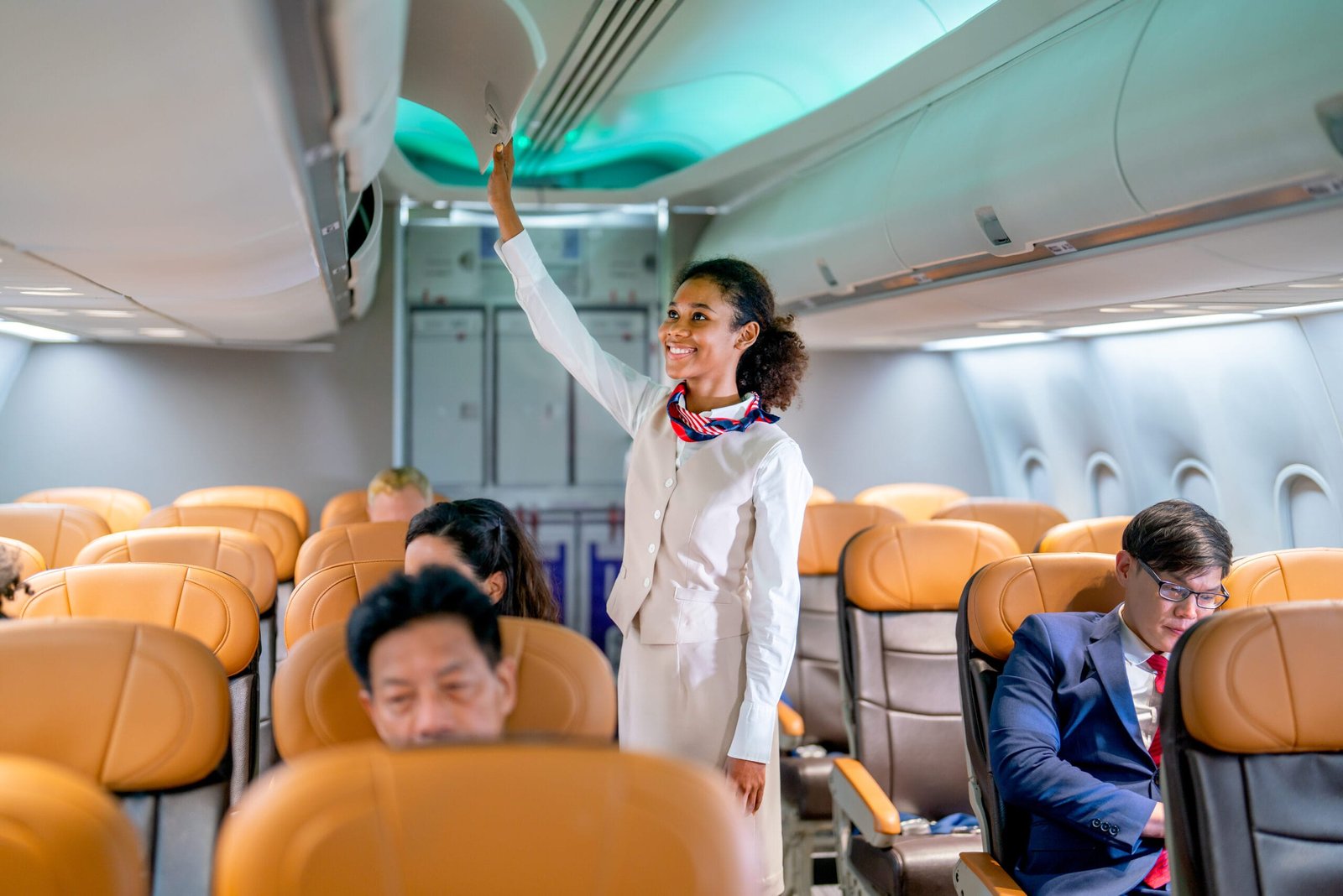
Flight attendants don’t just stand—they hustle. From boarding to beverage service to handling emergencies (and let’s not forget the Olympic-level bag lifting), their feet are the first to take the hit. After just a few hours in the air, the burning arches, tight calves, and tired soles become all too familiar. It’s no wonder so many in the industry quietly dream of sitting anywhere.
This is where support insoles for work become more than just a comfort add-on—they’re practically a job requirement. A study on musculoskeletal disorders among flight attendants found that 82% reported work-related pain, with the feet ranking as the most common trouble spot. Between long hours of standing (often in heels), lifting heavy luggage, and navigating narrow aisles, fatigue builds up fast. Add in poor footwear or factory shoe insoles, and it’s a recipe for aching feet, sore backs, and cranky moods.
Prolonged standing tightens lower limb and trunk muscles, while repetitive tasks—like pushing trolleys or closing overhead bins—stress the neck, shoulders, and spine. And let’s not forget the confined workspace that limits movement and adds to the strain. Over time, all this physical demand, paired with mental stress, leads to muscular fatigue and pain that doesn’t clock out when the plane lands.
That’s why the right support insoles for work—ones with proper arch structure and cushioning—can be a game-changer. They help improve foot posture, reduce muscle tension, and keep energy levels higher mid-flight. Because when your feet are supported, the rest of your body (and mood) follows suit.
Signs Your Feet Are Quietly Screaming at You
You may not notice it right away, but your feet are excellent communicators. Here’s what they’ve probably been trying to tell you:
✅ “Why do we feel like we’re standing on bricks?”
✅ “No arch support again today? Cool.”
✅ “Did we really need to jog back to row 43 for a second ginger ale?”
More seriously, signs you need support insoles for work include:
- Persistent heel or ball-of-foot pain
- Aching knees or hips after shifts
- Tingling or numbness by the end of the day
- Needing to kick off your shoes the second the plane lands
Don’t ignore these signs—they’re your cue to upgrade what’s inside your shoes, not just your shoes themselves.
Why Basic Insoles Just Don’t Cut It at 30,000 Feet
The factory insoles in your work shoes? Basically cardboard with good PR. They might look fine, but they weren’t designed for 10-hour shifts, galley sprints, or hours of standing on a vibrating metal tube. Here’s how typical insoles fall short:
| Problem | Standard Insoles | Real Support Insoles for Work |
|---|---|---|
| Arch support | Minimal or generic | Tailored, structured arch base |
| Cushioning | Flattens fast | Shock-absorbing, dual-density foam |
| Fit | One-size-fits-none | Custom moldable fit |
| Moisture | Traps sweat | Breathable, sweat-wicking layers |
When your job depends on being physically present, reactive, and comfortable, cutting corners with your insoles just isn’t an option.
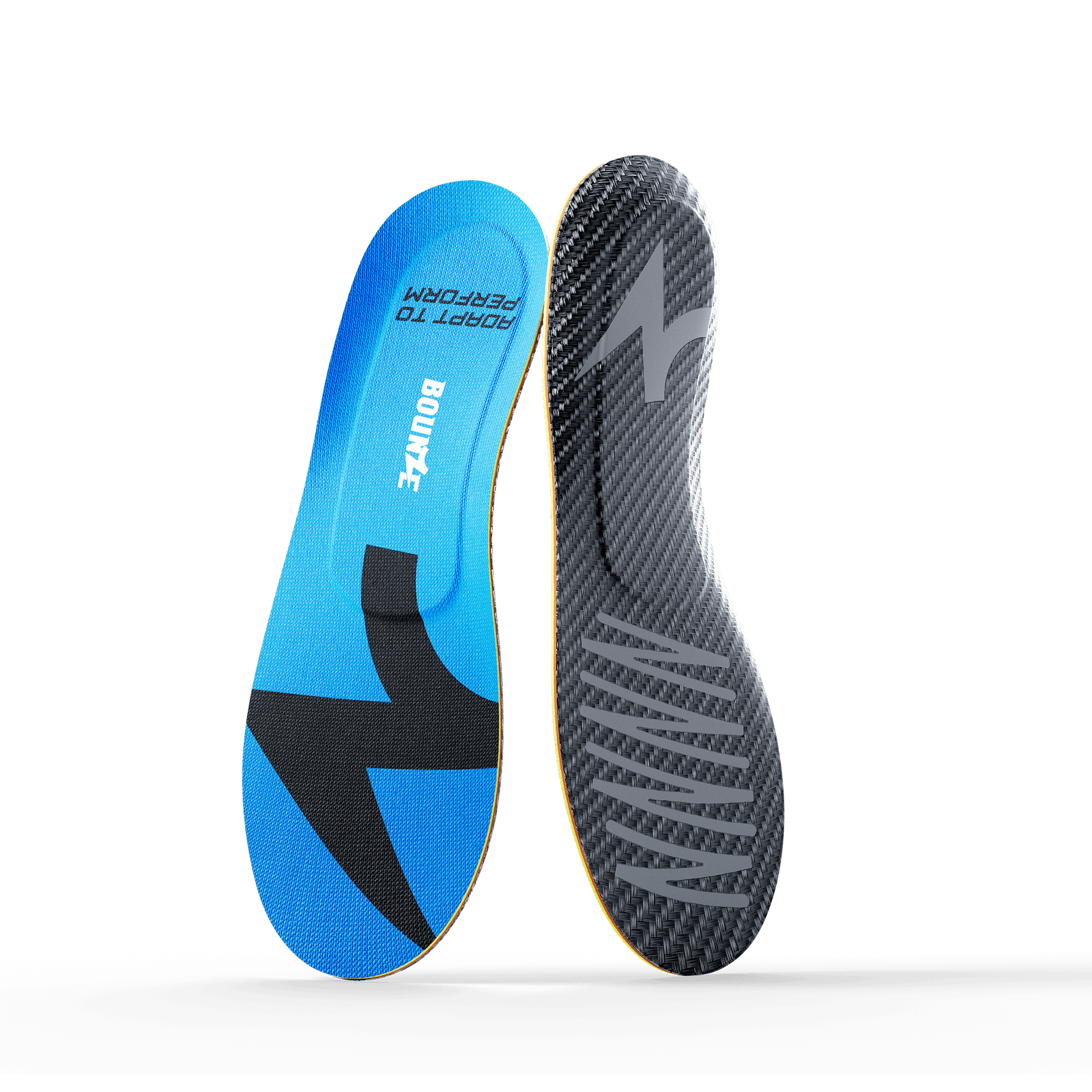
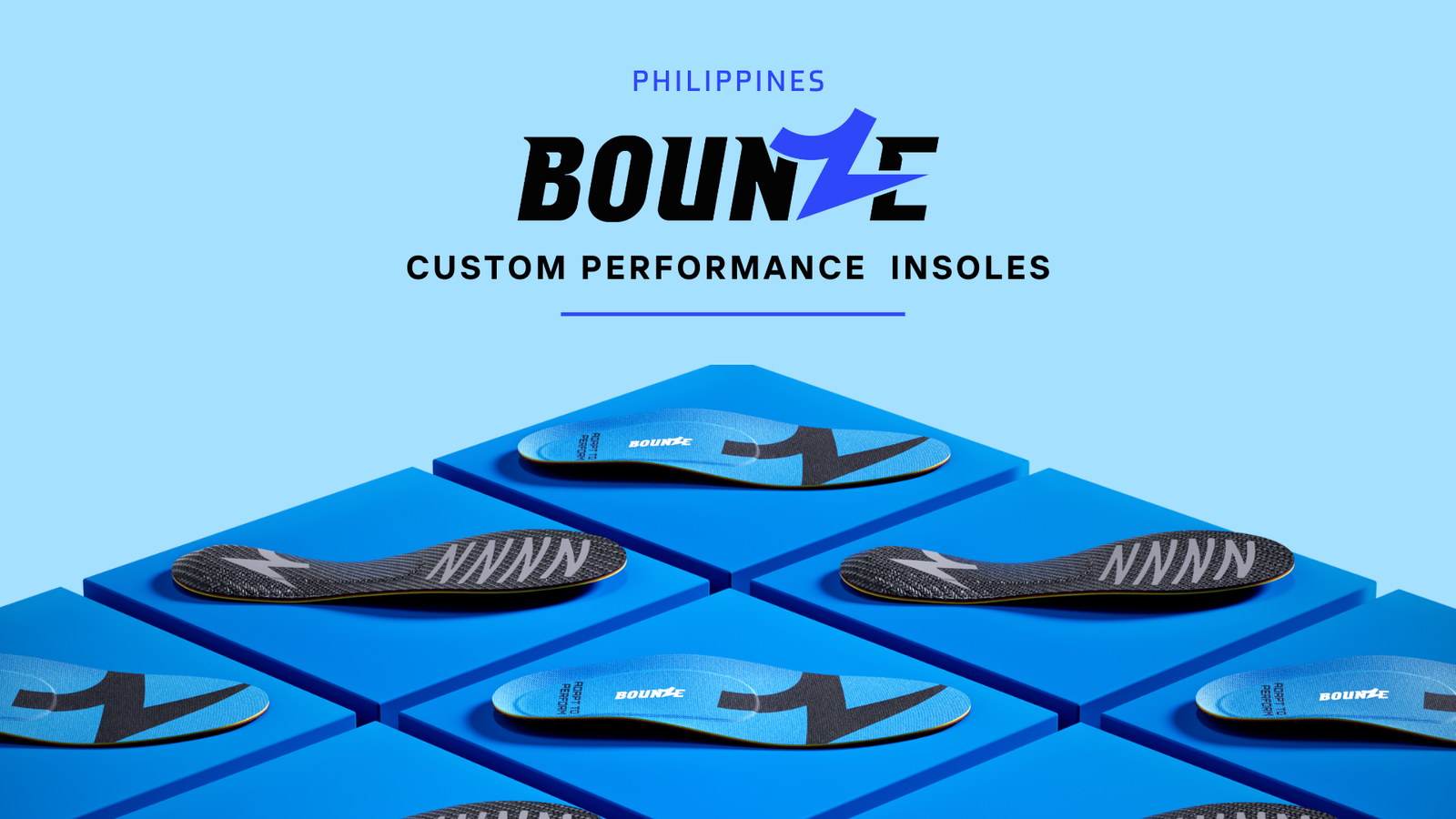
BOUNZE Daily Performance Insole: Custom Comfort in 3 Minutes
Now let’s talk solution. The BOUNZE Daily Performance Insole is a flight crew favorite—and for good reason. It was designed for professionals who are on their feet all day, and it’s got some clever tricks under the hood.
Here’s why it works:
- 3-Minute Custom Fit: Heat, step in, and mold it at home. No special tools, no waiting room.
- Dual-Layer Orxinlite Foam: A combo of soft comfort and subtle rebound, perfect for absorbing long-haul shifts.
- PETG Structural Shell: Lightweight arch support that holds your foot in the right position.
- Sweat-Absorbent Top Layer: Keeps your feet cool, dry, and less grumpy.
- Anti-Slip Bottom: Stays put in your work shoes, even during turbulence or cart-duty chaos.
When it comes to support insoles for work, BOUNZE delivers something flight attendants genuinely feel—relief, even at cruising altitude.
How to Pick the Right Insole for Your Workday
Not all insoles are created equal, and not every insole will suit a flight crew lifestyle. Here’s a checklist to guide your insole upgrade:
✅ Moldable or customizable fit (like BOUNZE)
✅ Good arch and heel support
✅ Breathable material for all-day wear
✅ Non-slip grip to stay in place
✅ Slim enough to fit work shoes without cramping toes
And remember: the best support insoles for work aren’t the thickest or the squishiest—they’re the ones that work with your foot, not just under it.
Final Boarding Call: Don’t Let Foot Pain Be Your Co-Pilot
You don’t need to run a marathon to feel like your feet are giving out. Just making it through a regular day by walking to the jeepney stop, standing in long MRT or LRT lines, navigating uneven sidewalks, or climbing flights of stairs in offices, schools, or government buildings is enough to leave feet sore and drained.
You deserve to focus on your passengers, not your plantar fascia. So next time you lace up for a flight, make sure your insoles are doing as much work as you are.